My story
Definition & Perspective
You and I could visit the same restaurant, taste the same dish and pay the same bill, and yet have a totally different experience.
Perhaps because we were subject to distinct external conditions (a smelly neighbor or different salaries), or because genetically our palates prefer other flavors. But the same events lead to opposite outcomes: in this case, probably, reviews. In my experience a combination of perspective and poor definition, often implicitly assumed, is what leads to misunderstanding or disagreement, which in turn prevents progress. Person A can see a circle from one angle, and person B a rectangle from another angle, even when they both look at the same cylinder. I am fascinated by this type of mismatch, and figuring out the underlying reason.
It's probably why I like physics: problem statements and boundary conditions are usually clearly defined, and a system's analytical behavior can be described differently only if we make distinct assumptions (perspective) through e.g., some effective field theory. On the other hand, it's also why I am interested in topics like politics, international relations and journalism, where shaping or communicating a perspective is far more effective than a precise definition of the context. Throughout my studies and work in different environments I found that being explicit in terms of these two concepts, definition and perspective, is the foundation of any successful relation or pursuit.
- 01 / 072013 – 2016
BSc Applied Physics
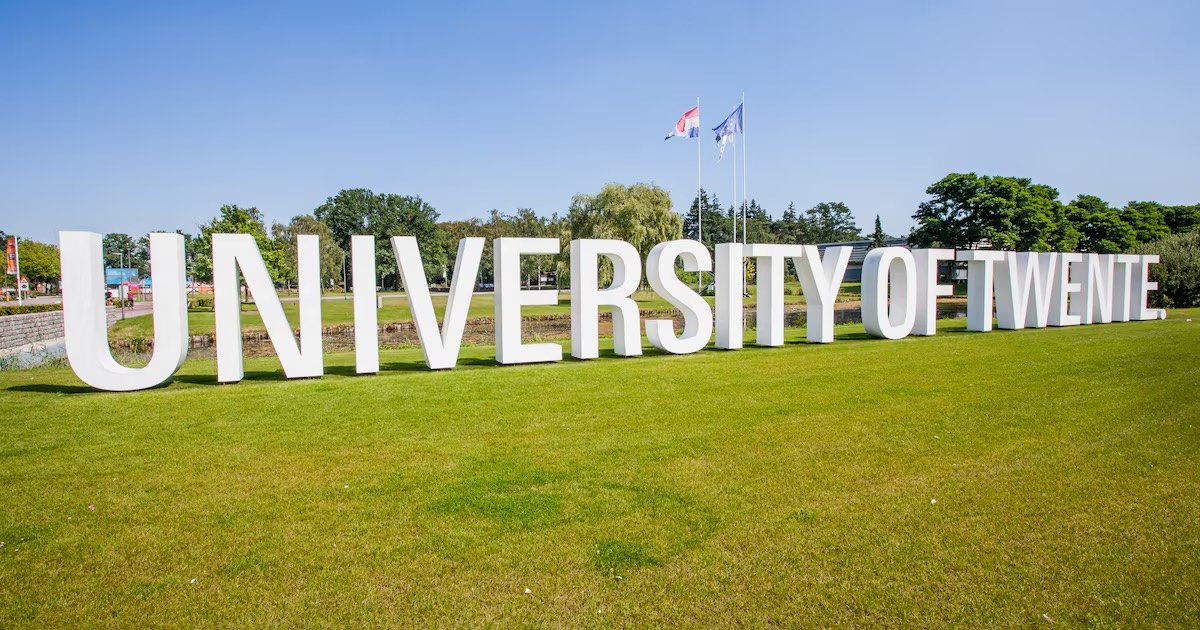
University of Twente · Enschede, NL
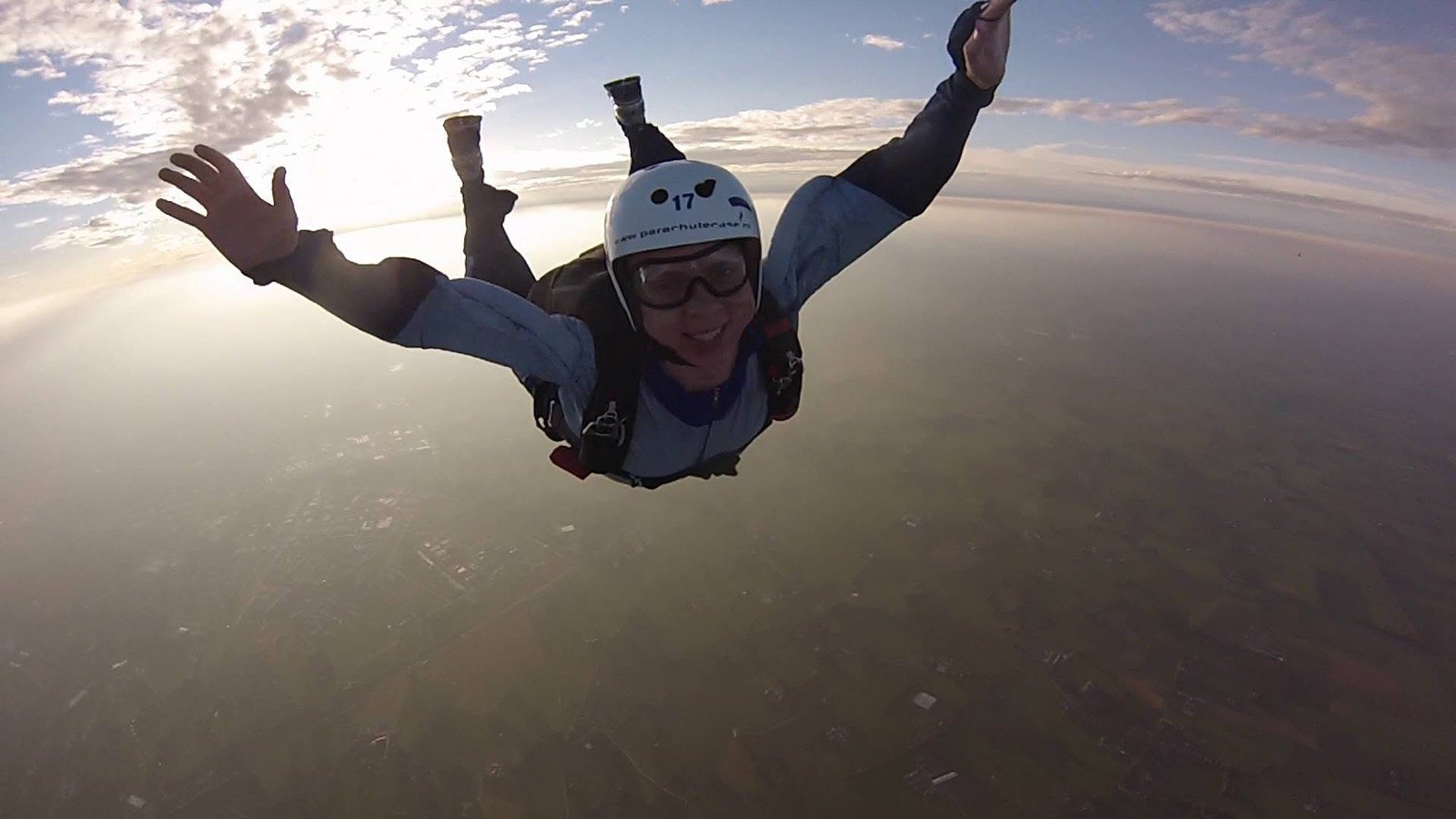
To study physics was actually not an obvious choice. After high-school I joined the Dutch Royal Military Academy at 17 years old, only to quickly realize I was not ready for that. It was too late for university enrollment, so I took a job in a hardware store to pay for my courses in skydiving, convinced that I would go study mechanical engineering next year. But during a student-for-a-day event, my experience was so bad that I had to switch. Eventually, at a so-called "last-minute day", I discovered physics and was immediately convinced. It wasn't smooth, but I'm happy it went this way because I quite literally loved every subject in the curriculum.
- 02 / 072016
Camino de Santiago
On foot · Enschede → Santiago de Compostela
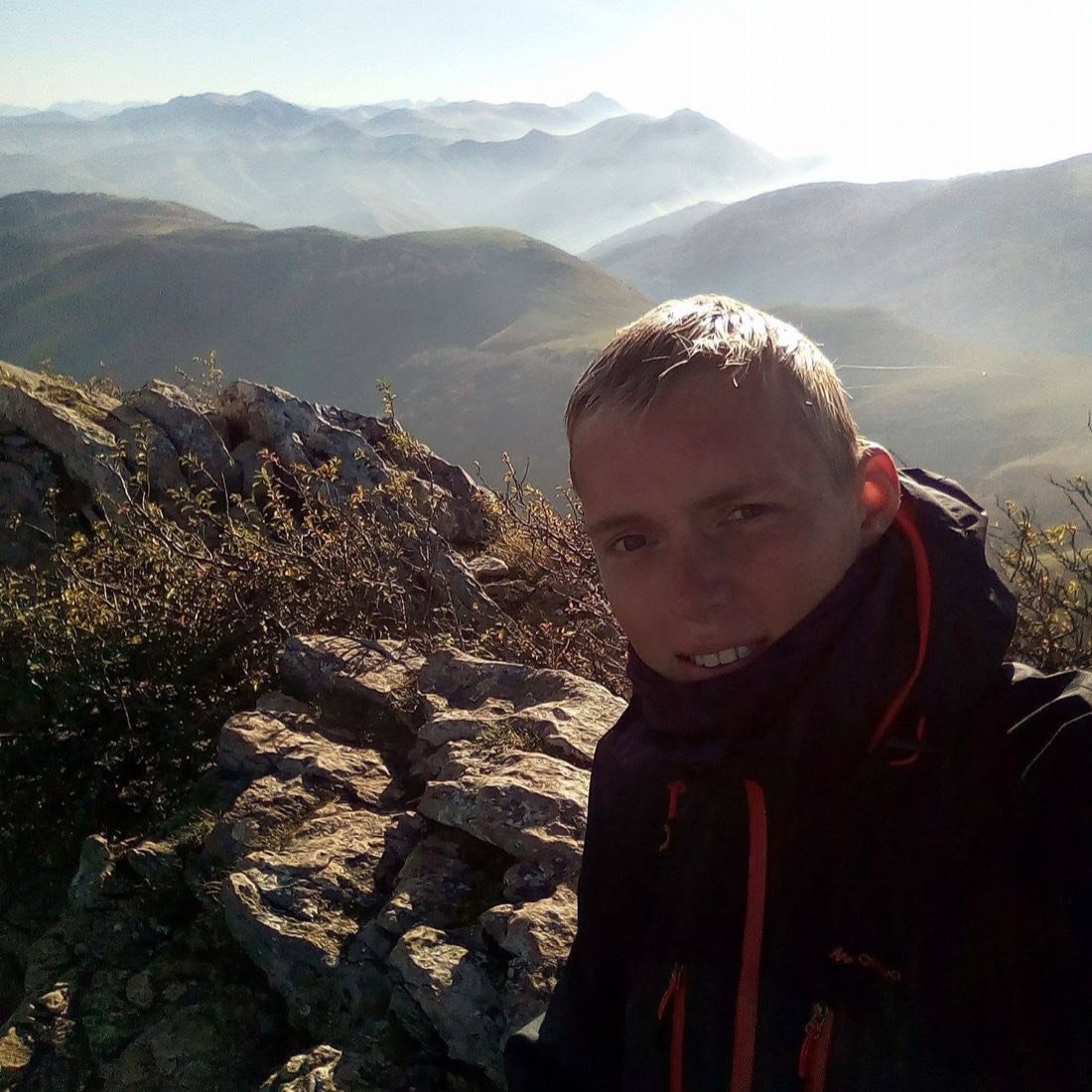
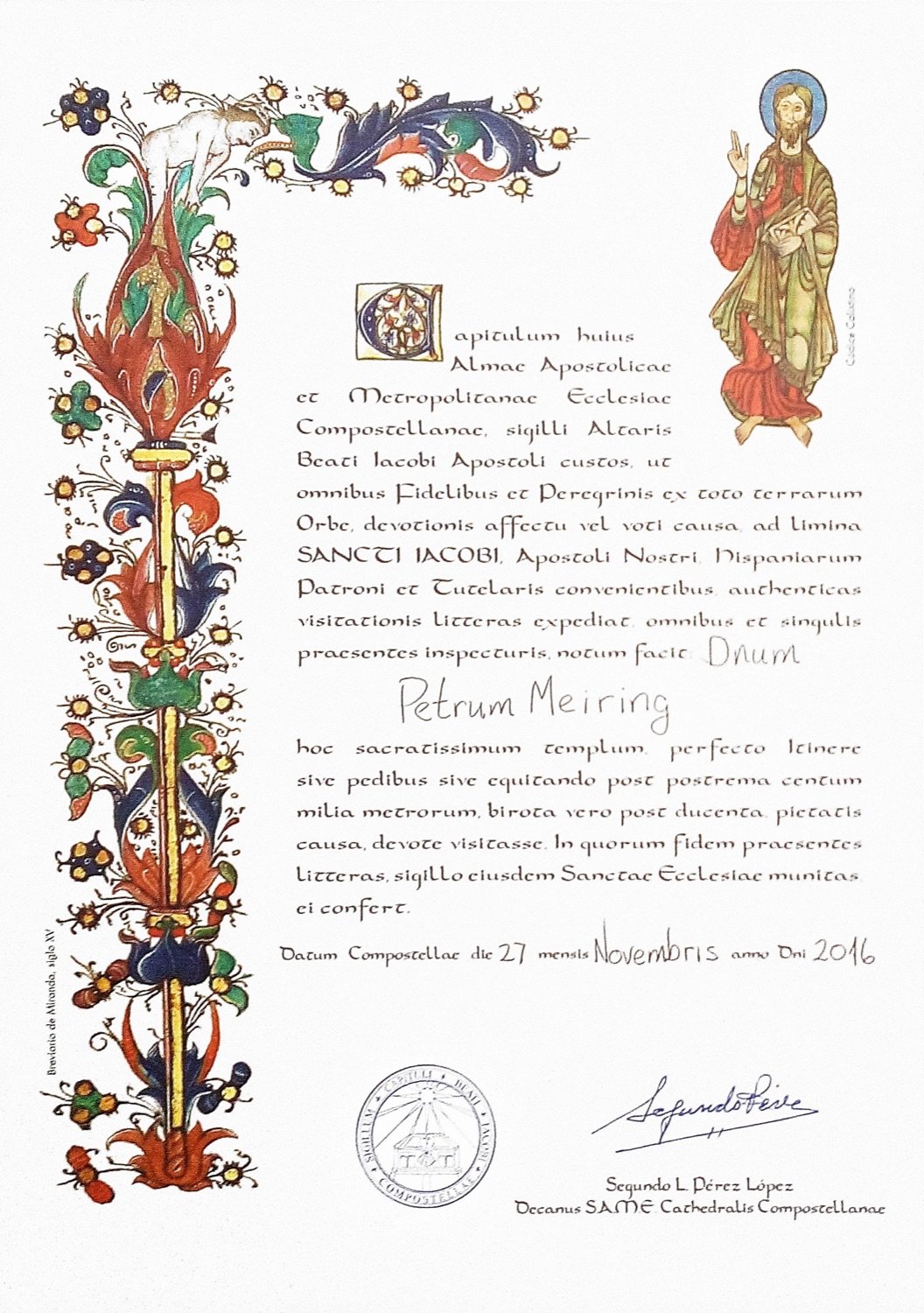
Between the BSc and MSc I took half a year to tick this from my bucket list: walk the Camino de Santiago, historically a pilgrimage to the remains of Saint Jacob. Inspired by "The Way" from Emilio Estevez, I spent 105 days on foot walking from Enschede to Santiago de Compostela. It's hard to describe the experience, but it's truly one of the best of my life, and home to many precious memories.
- 03 / 072017 – 2019
MSc Applied Physics
University of Twente · Nikhef · Enschede / Amsterdam, NL
Physics got me hooked, so naturally I pursued the MSc as well, the material science track. I also got interested in particle physics, so together with Prof. Bob van Eijk (Nikhef) who was guest lecturer at the University of Twente, I tailored my curriculum with additional courses at the University of Amsterdam. After also doing a six-month internship at CERN (see next page), I did my MSc thesis project under Van Eijk at Nikhef on the search for di-Higgs events with the ATLAS experiment at the Large Hadron Collider, performing Monte-Carlo simulations and training a BDT classifier to increase sensitivity to hh → bbWW decays.
- 04 / 072018
Research Intern
CERN · CMS-TOTEM · Geneva, CH
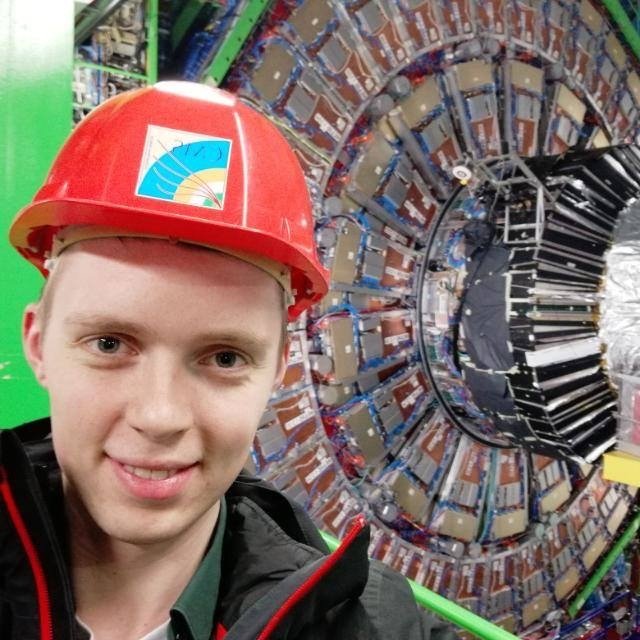
As part of my MSc program, I did a six-month internship at CERN under Staff Physicist Martijn Mulders. It was my first experience at CERN and the reason I continued with an MSc thesis project, PhD and postdoc after. I worked on the CMS-TOTEM Precision Proton Spectrometer, a joint experiment that identifies scattered protons and their collision products at the interaction point (CMS) and 200 meters distance on both sides along the LHC beam pipe (TOTEM). My project was on the cross section measurement of central exclusive top-pair production, and the development of the SAMPIC readout electronics used to measure proton time-of-flight.
- 05 / 072019 – 2024
Doctoral Researcher (PhD Physics)
University of Zurich · CMS / CERN · Zurich, CH
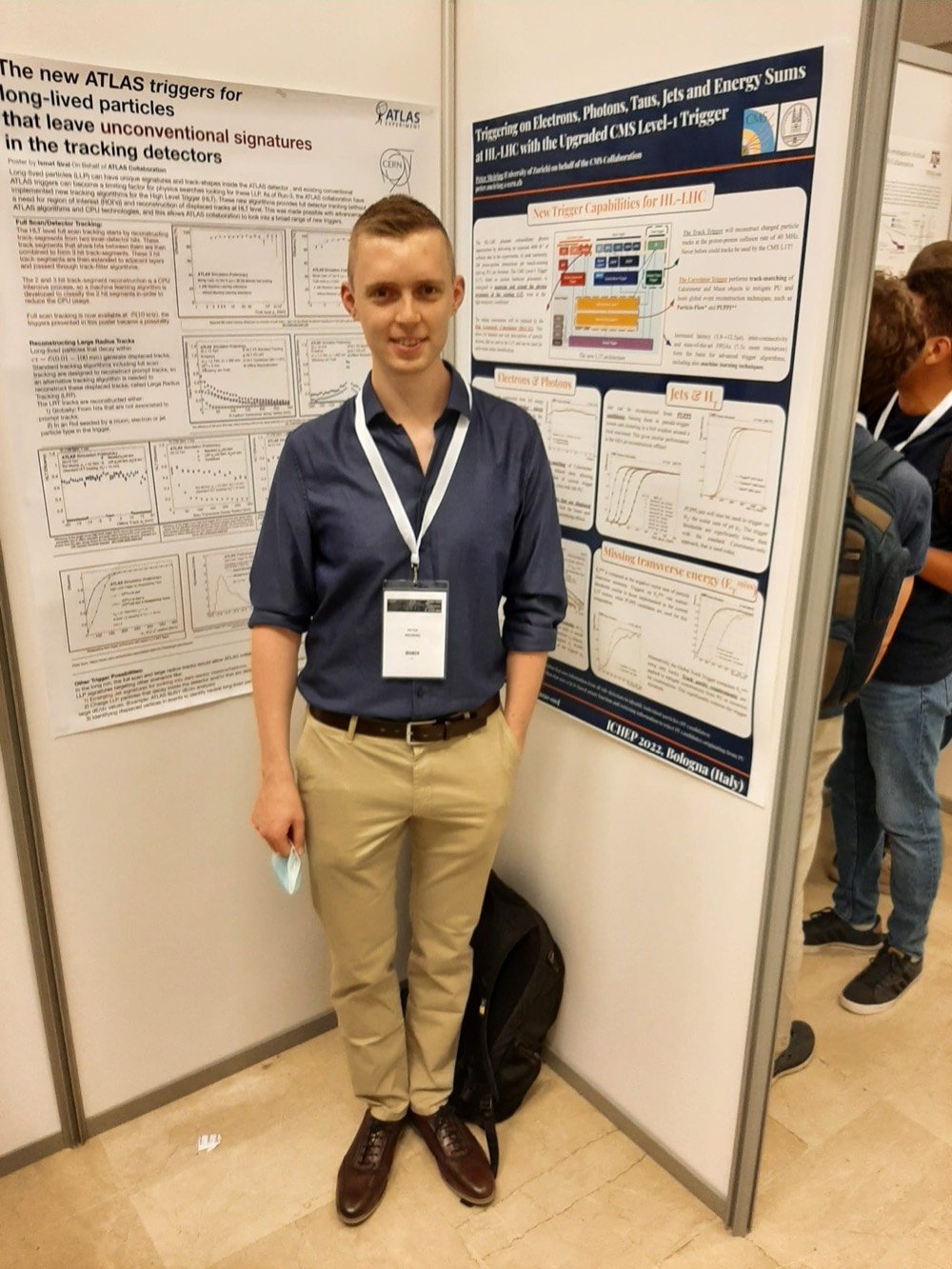
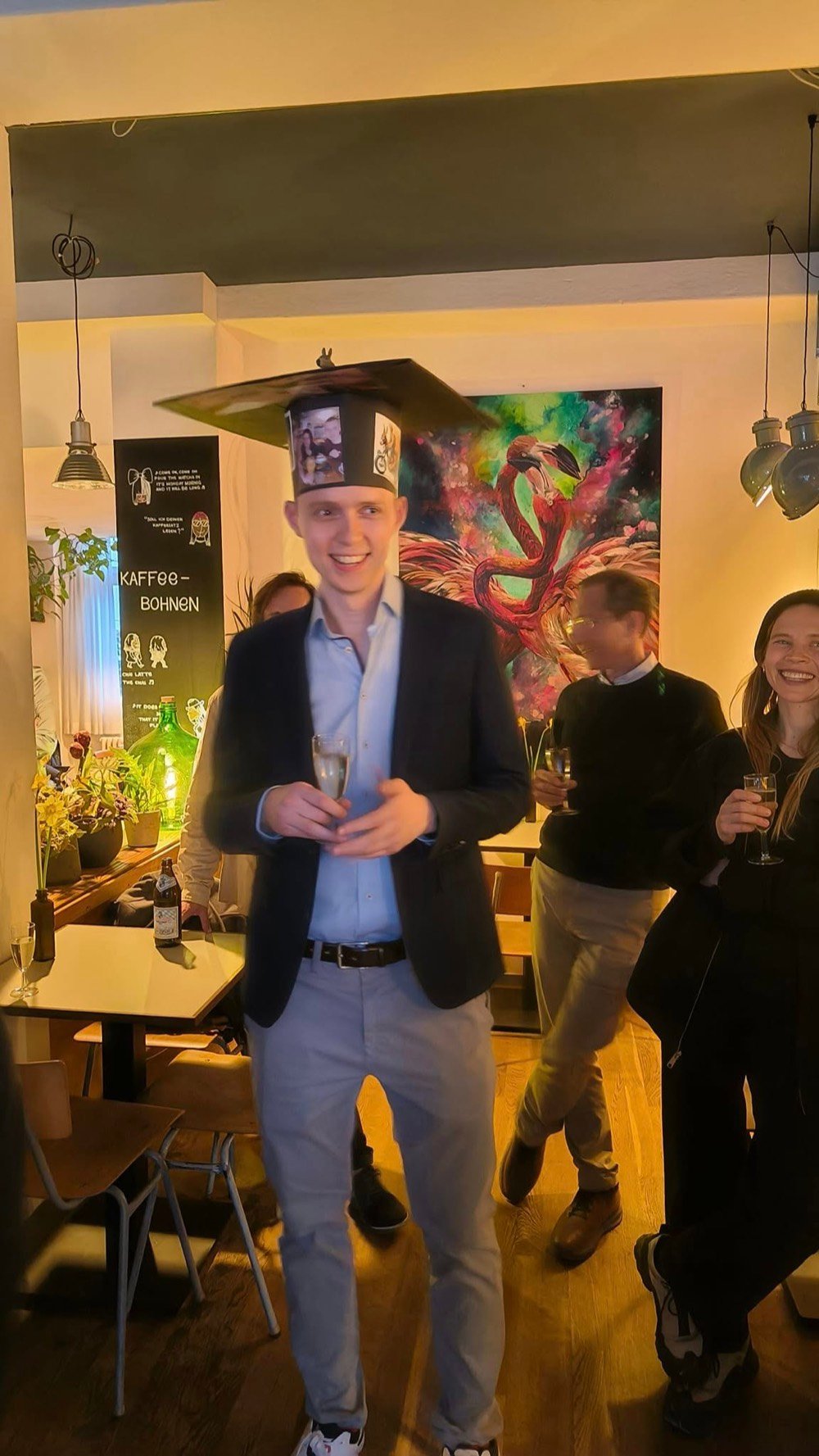
After my MSc project on the ATLAS experiment (Nikhef) I returned to work on the CMS, this time as PhD candidate under Prof. Cristina Botta. This was probably the most challenging and rewarding period, being fully submerged in the ambitious scientific mission of CERN. My thesis involved large-scale analyses of proton-collision data to search for various realizations of Supersymmetry and Dark Matter with low-energy lepton signatures that could answer fundamental problems of the Standard Model of particle physics. I was also involved in R&D and operations of the CMS Level-1 Trigger system, the hardware that at the 40 MHz collision rate decides which data to store and reject, and received the CMS Award 2023 for designing and implementing the first ML algorithm for the CMS trigger upgrade: a BDT for electron identification on FPGA at only 100 ns latency.
- 06 / 072024 – 2026
Post-doctoral Research Associate
Carnegie Mellon University · CMS / CERN · Pittsburgh, US
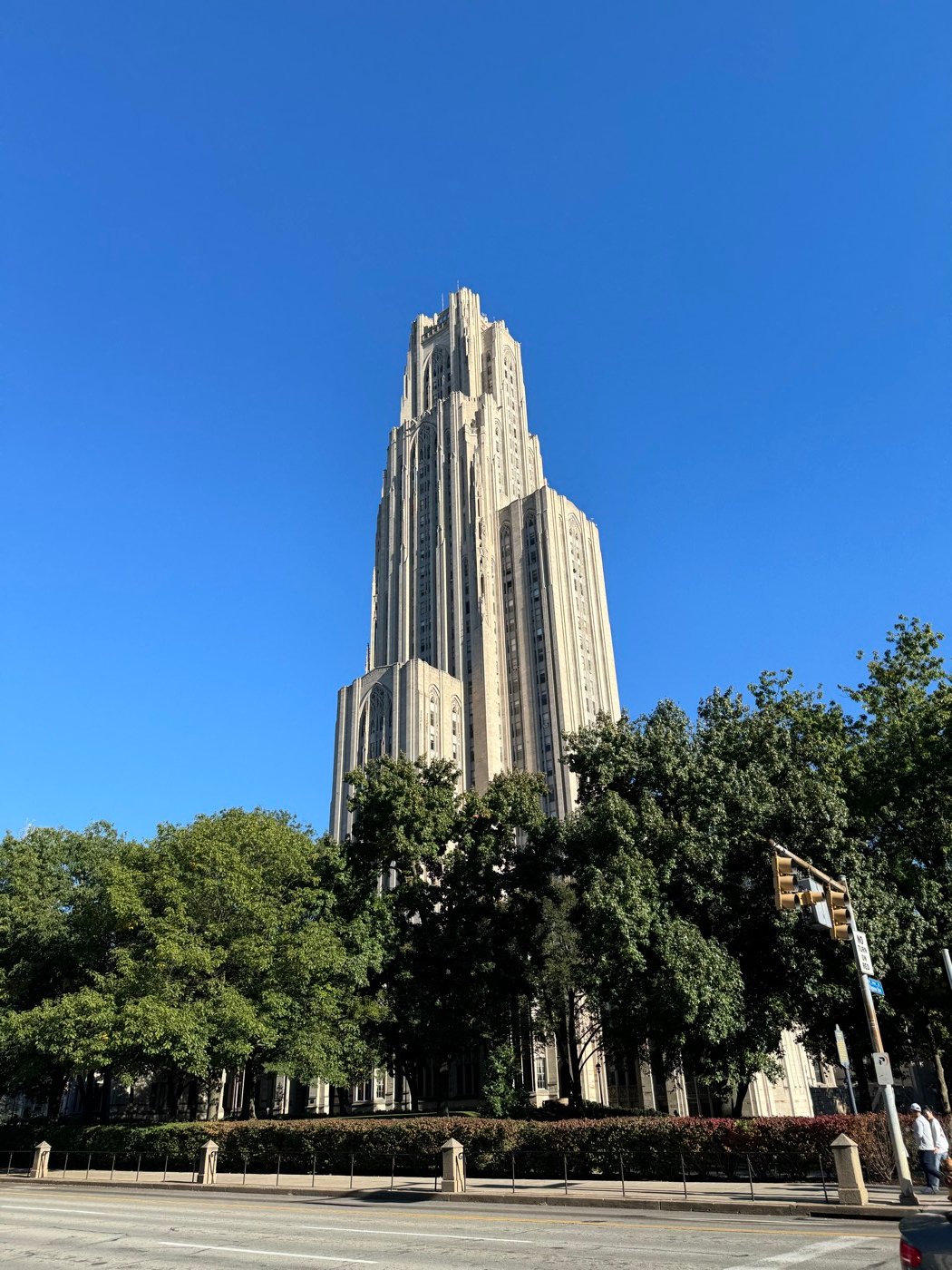
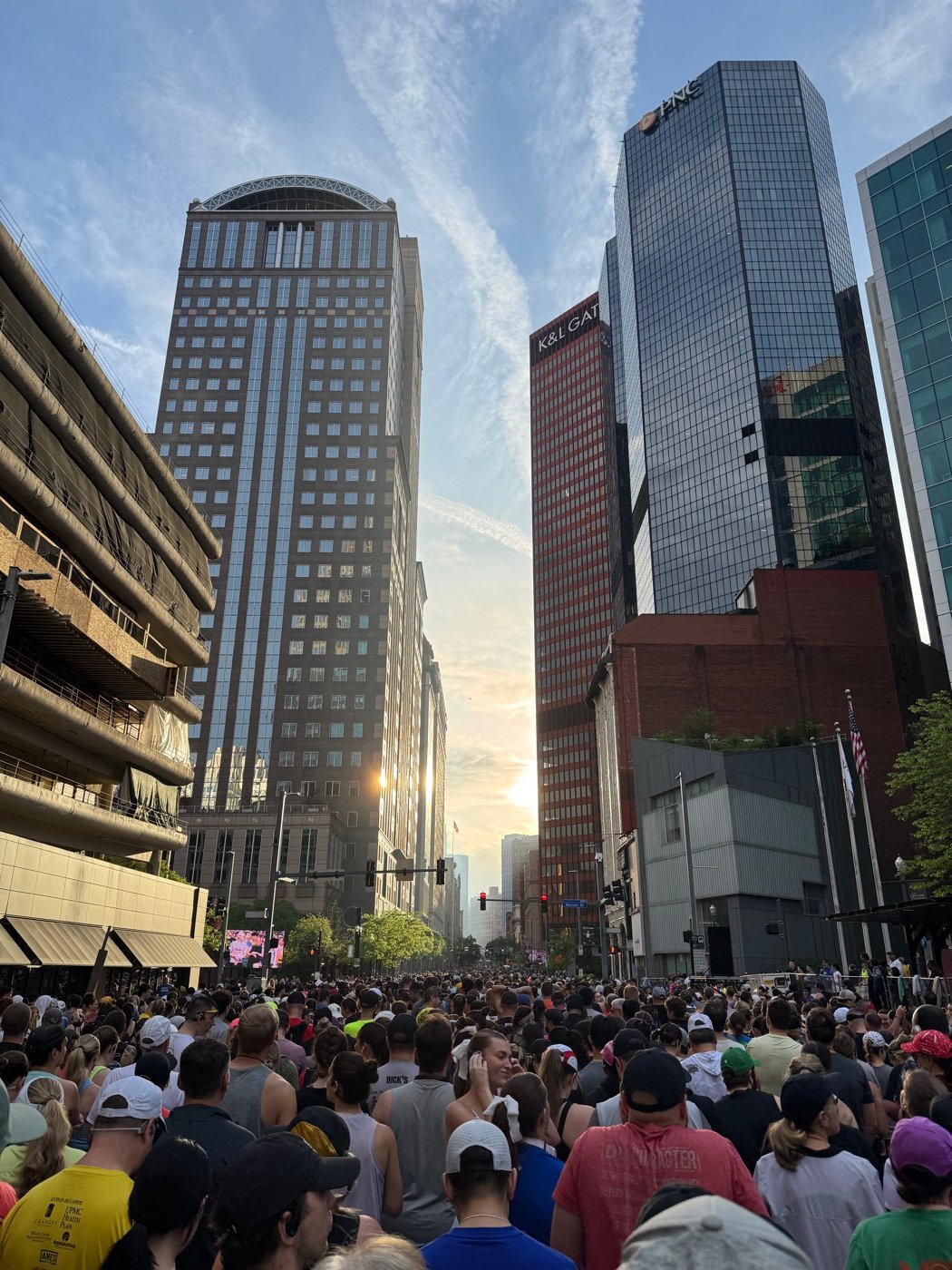
At Carnegie Mellon I got more involved in low-latency AI for edge hardware. This is a crucial part of preparing the CMS experiment for the future High-Luminosity LHC era, where traditional approaches simply don't meet the extreme requirements of throughput, latency and physics acceptance under the anticipated data-taking conditions. I developed a variety of efficient models for data compression, clustering, classification and regression tasks on FPGA/ASIC hardware, which also turned out valuable for in-situ approaches to error mitigation and anomaly detection in quantum bits. Additionally I led a team of physicists in the US, Europe and India to achieve first-time sensitivity to low-mass Dark Photons with specialized CMS datasets, and was responsible for the CMS trigger calibration pipeline. Check out my publications for more! Oh, and I ran the Pittsburgh half-marathon!
- 07 / 072026
Mandarin Language Study
Beijing Language and Culture University · Beijing, CN
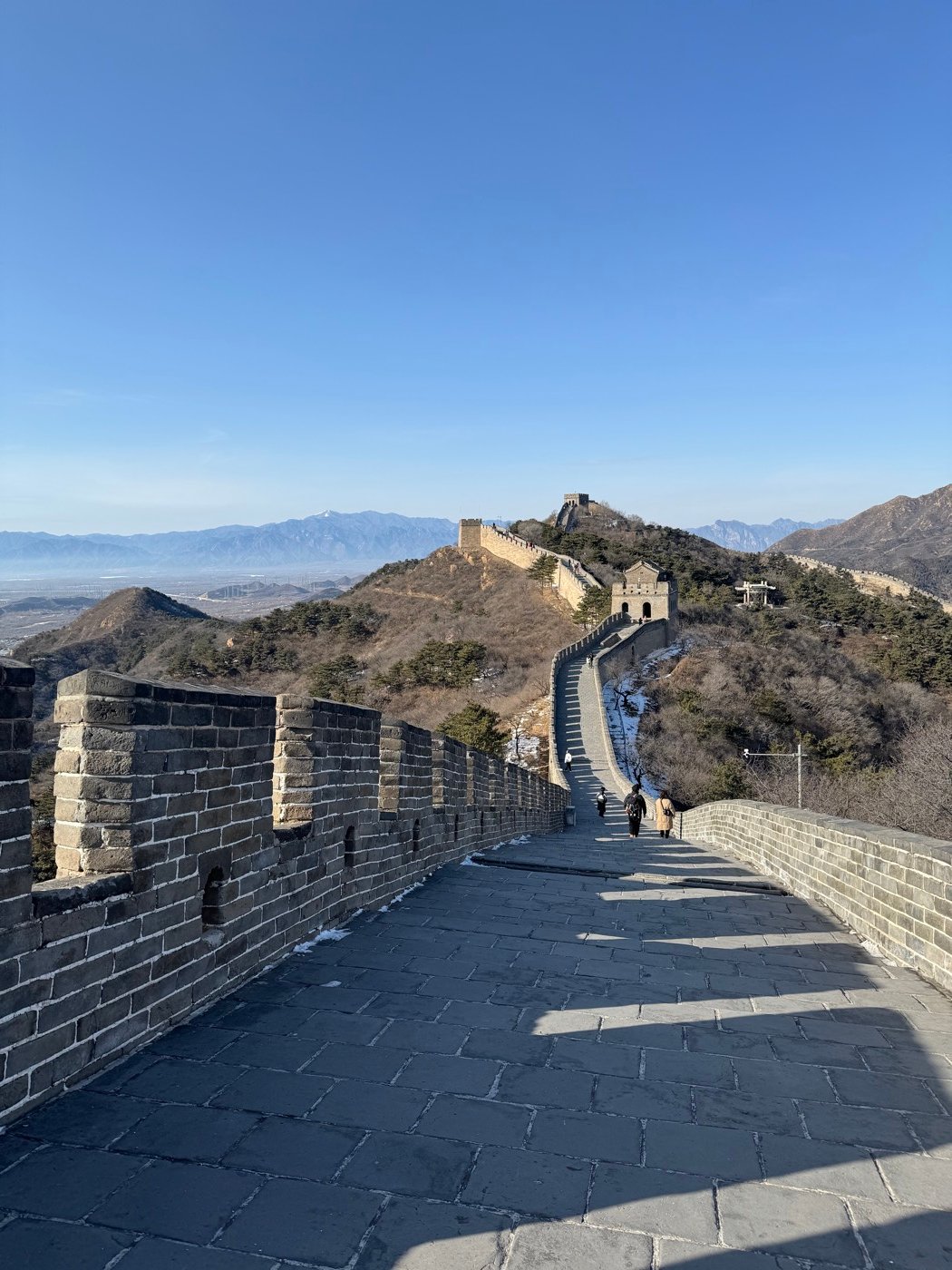
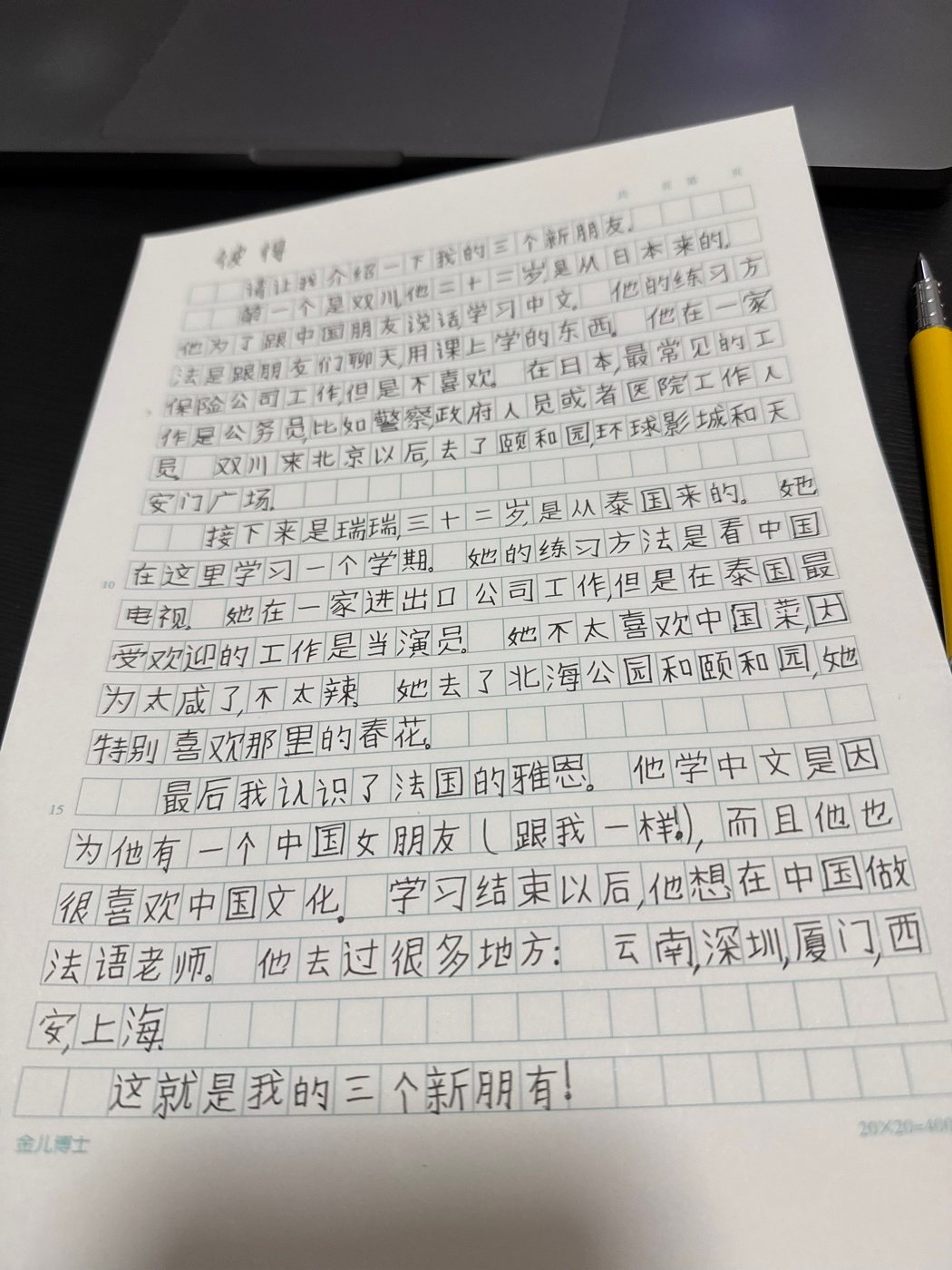
Drawn to exploring science in an industry setting, I left academia in February 2026 and spent half a year in Beijing, to study Mandarin (another bucket list item) and to orient towards future opportunities in data science or deep-tech. The language program at BLCU (also known as "Mini United Nations" for its exceptional diversity of international students) is really a unique and immersive way to learn about Chinese culture, and by the end I reached HSK level 3-4. In parallel, I solely developed and launched a mobile app (Chengyu: Origins) and completed courses in SQL, Spark & Databricks.
2026 →
The map isn't finished! Where to next?
I am now back in Europe and seeking a position in data science, sensor systems or quantitative research. I want to work on problems with a more direct impact than fundamental science and learn new tools and practices, while still working with complex data and state-of-the-art AI technology. If that sounds like your team, I'd love to talk!